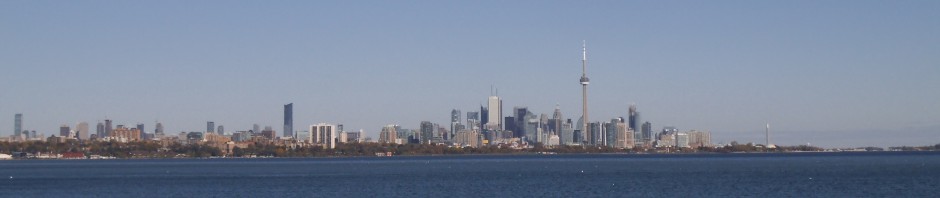
On June 24th, 2018 the communities along Lake Ontario is southern Etobicoke finally got their streetcar service back after waiting almost a year and a half.
Starting January 7th, 2017 the Toronto Transit Commission (TTC) shutdown streetcar service west of Roncesvalles Ave. in order to perform work on the tracks and wires along the Queensway Right-of-Way (ROW), at Humber and Long Branch Loops, and along Lake Shore Blvd. W.
After a long wait, service finally resumed, and I took a return trip between Long Branch and Humber Loops. For most of the day, the 501 Queen line is split at Humber Loop with streetcars either operating between Humber Loop and Neville Park, or between Humber Loop and Long Branch. The latter is effectively a reinstatement of the 507 Long Branch car that operated from 1935 to 1995 in all but name. Some trips overnight will operate over the entire 501 line, while some streetcars during the rush hour will operate between Long Branch Loop and downtown to provide a one seat ride. Continue reading


 Edward Brain's Blog